The BLISS Facial
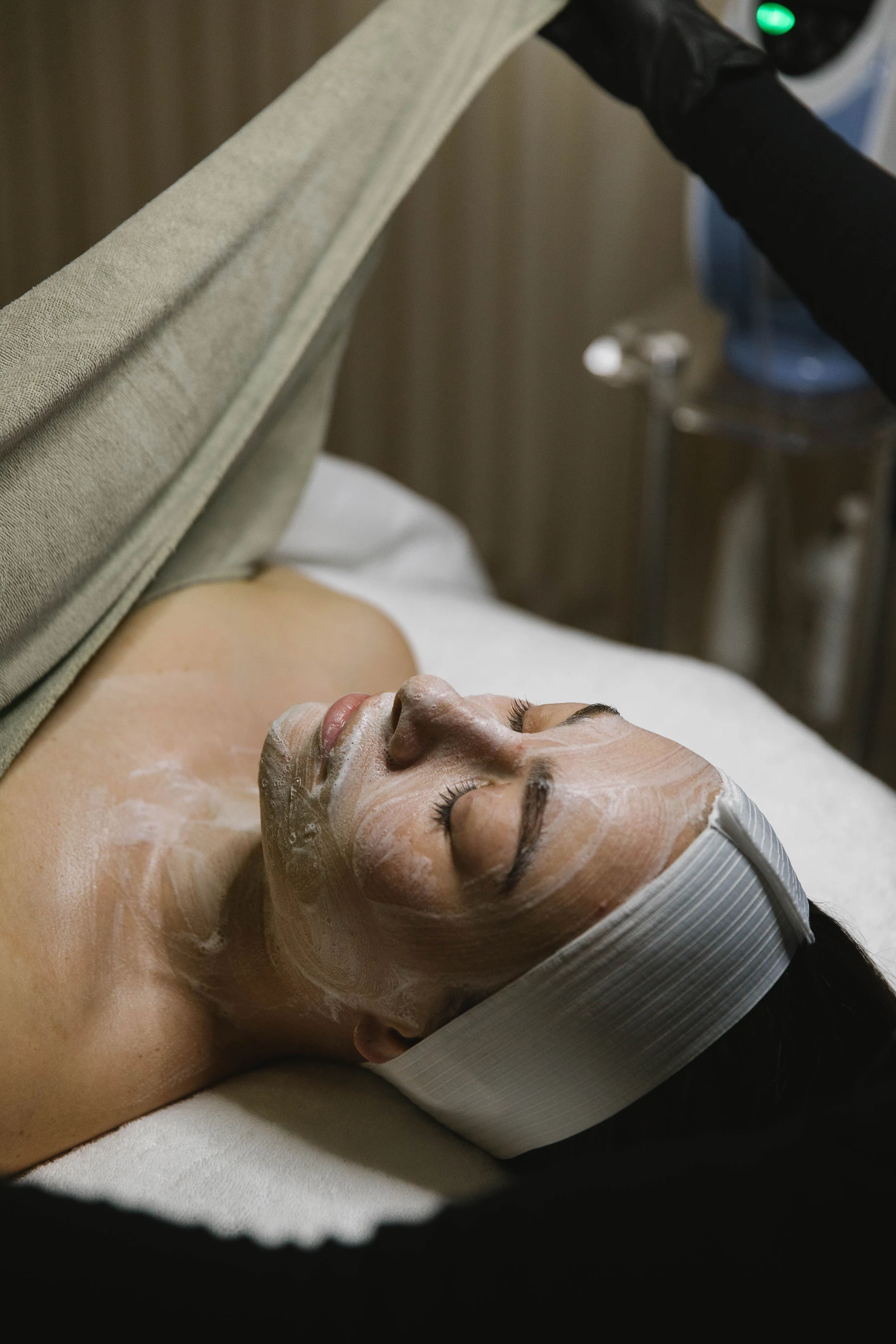
A massage-led facial combines a skin-care discussion with the clinic’s published cleansing, mask and relaxation format.

Start with your concern · Hamilton, Ontario
You do not have to know a device name to begin. Describe what you notice and what you would like to improve, then compare the purpose of different procedures. At PurBliss’s Hannon clinic, a consultation connects your priority with an assessment, realistic options and a plan you can understand.
This guide describes cosmetic concerns and selected treatment purposes. It does not diagnose a condition or establish that a procedure is suitable for you. Treatment depends on individual assessment; new, changing or unexplained symptoms may need medical care first.
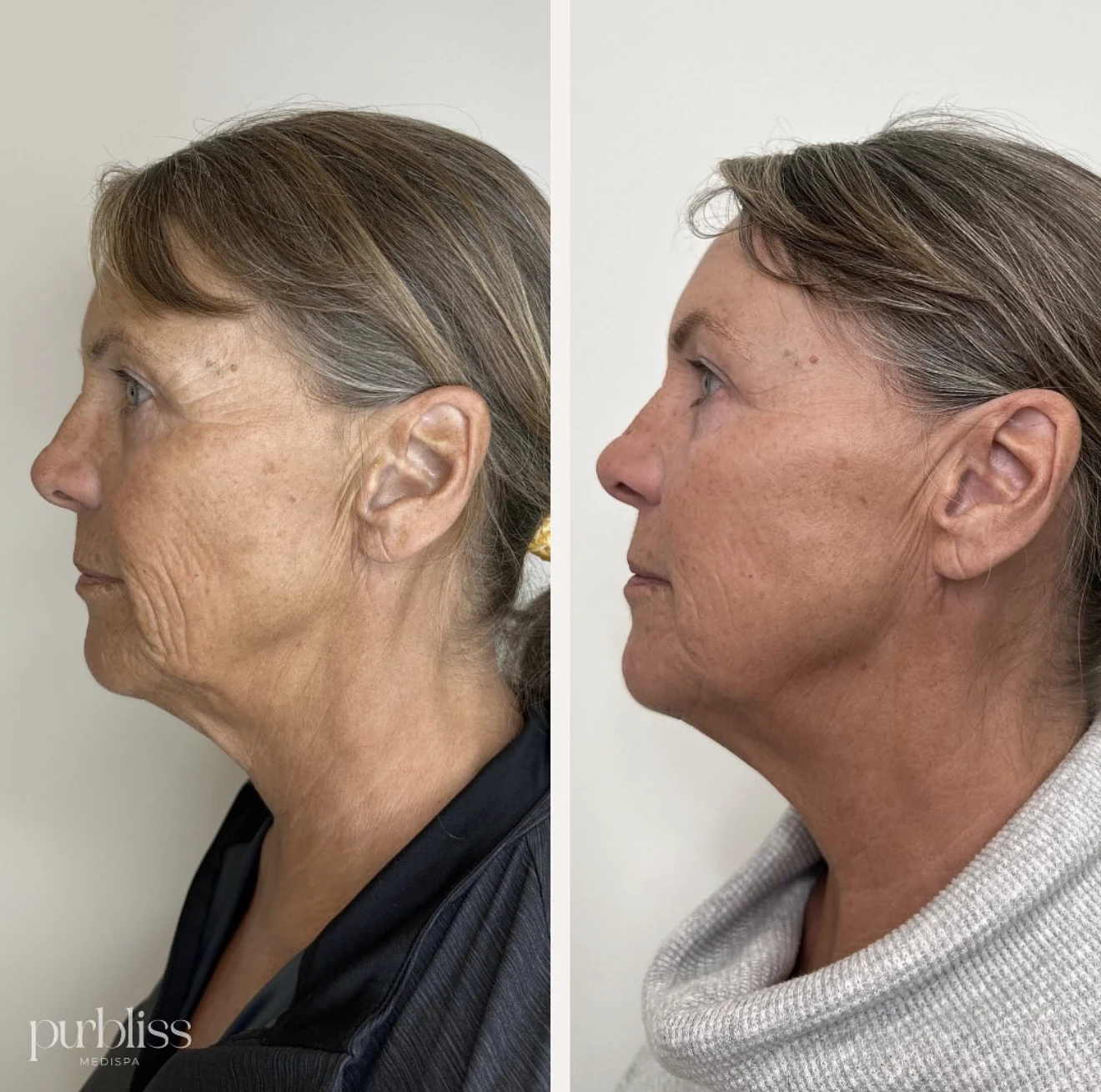
Published comparisons are placed beside the procedure they identify. Individual results vary. When an image shows a combined course, the complete combination is retained in its caption.
For procedures without a comparison in this collection, ask the team for published examples that match your concern, skin and treatment area.
Understand your options
Skin that feels rough, tight or congested can make a familiar routine feel less comfortable. A facial visit starts with the condition of your skin today, the products you already use and the type of experience you want. Persistent irritation or an unexplained rash needs assessment before more exfoliation.
A massage-led facial combines a skin-care discussion with the clinic’s published cleansing, mask and relaxation format.
Device-assisted cleansing and hydration can be discussed for surface congestion and dryness; Express and Deluxe include different steps.
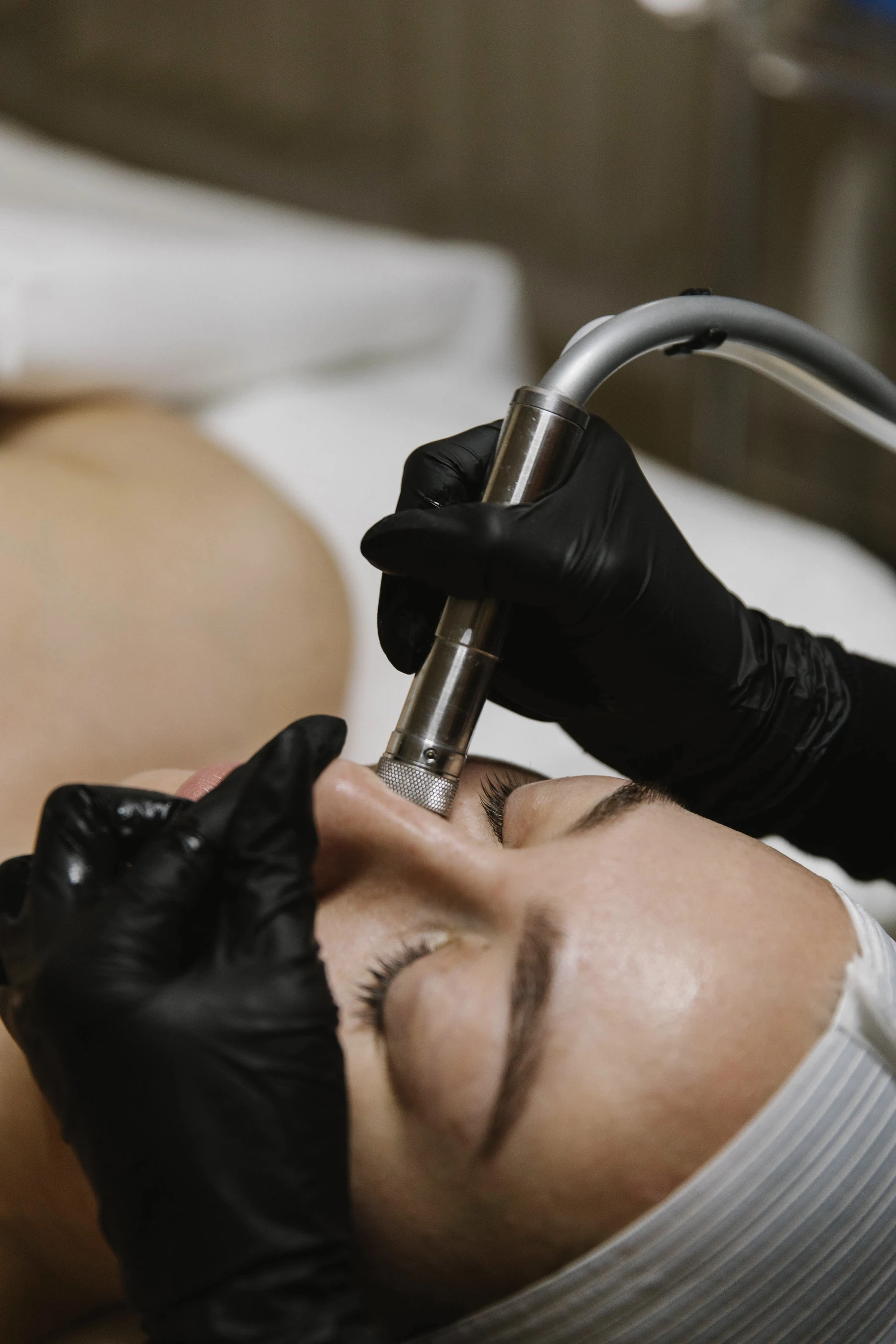
Compare this named facial with other options by asking about the actual products, device steps and the concern each step addresses.
Procedure, pricing & aftercareBlade-based surface exfoliation removes fine facial hair as well as superficial dead skin; it is a different goal from treating deep scars.
Procedure, pricing & aftercareFor clients seeking focused facial massage, discuss the external and intraoral approach, comfort and recent dental or injectable care.
Procedure, pricing & aftercareUnderstand your options
Indented acne scars, a rough surface and active breakouts need different plans. Scar-focused procedures are considered after assessing scar type and skin health. Painful, deep or inflamed acne may need medical treatment first; a cosmetic procedure does not establish the diagnosis or replace an acne management plan.
Small controlled needle punctures support a skin-remodelling response; suitability depends on the scar pattern and healing history.
Procedure, pricing & aftercareFractional non-ablative laser resurfacing is a separate option for assessed texture and scar concerns.
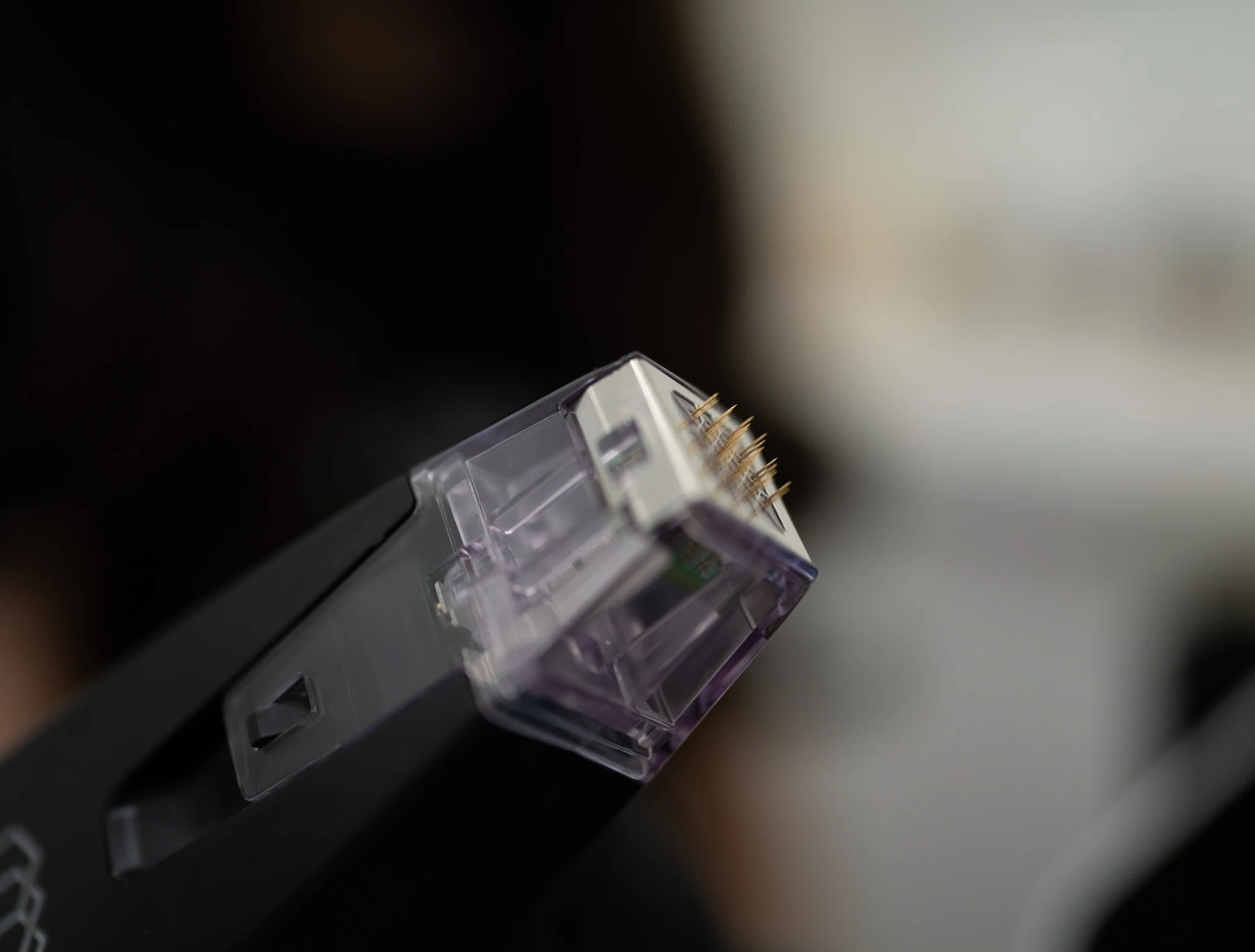
RF microneedling adds energy delivered through needles; the proposed area, depth and risk profile require a specific discussion.
A selected peel may address superficial texture or uneven tone, while deeper scars can require a different approach.
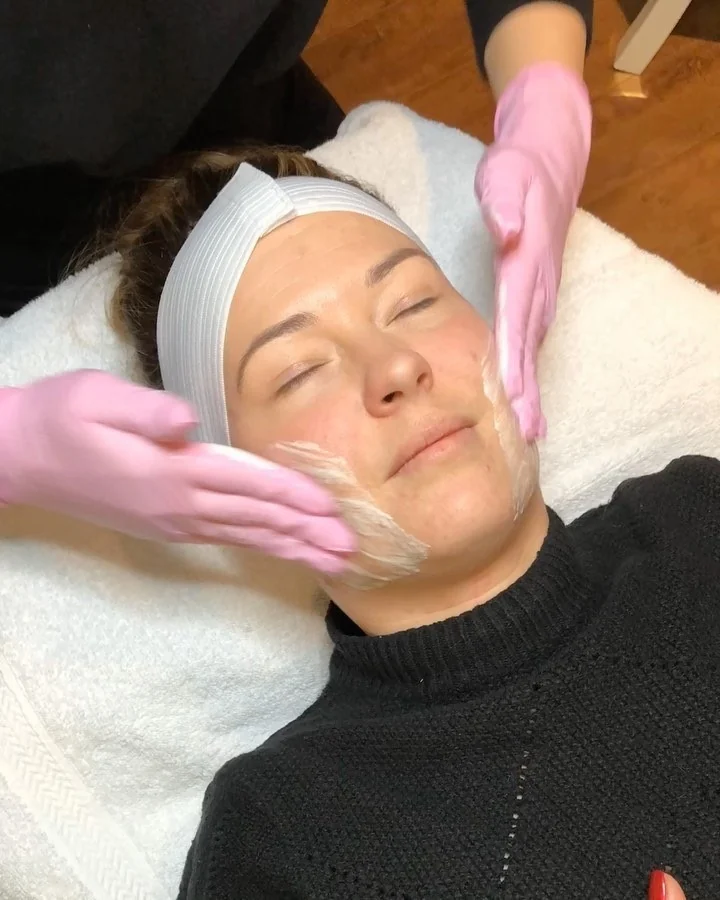
Ask how this particular peel fits the finding being treated and how preparation and recovery compare with alternatives.

A combined skin-and-blood-product appointment requires an explanation of what the added PRP is intended to contribute and the evidence limits.
Procedure, pricing & aftercareUnderstand your options
Brown marks can arise for different reasons, so a plan starts by identifying the mark rather than assuming every spot is sun damage. A new or changing lesion needs medical assessment. Skin tone, recent tanning, medicines and a tendency toward post-inflammatory pigment change affect which cosmetic options deserve consideration.
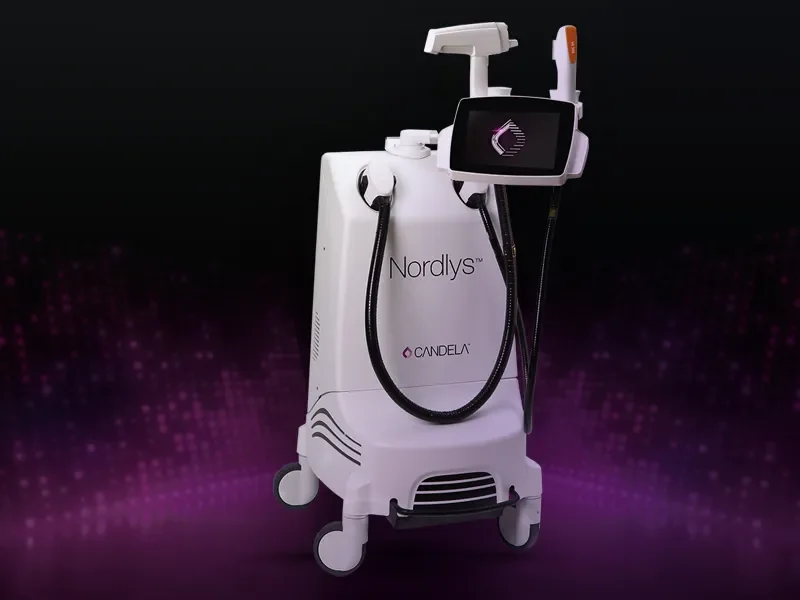
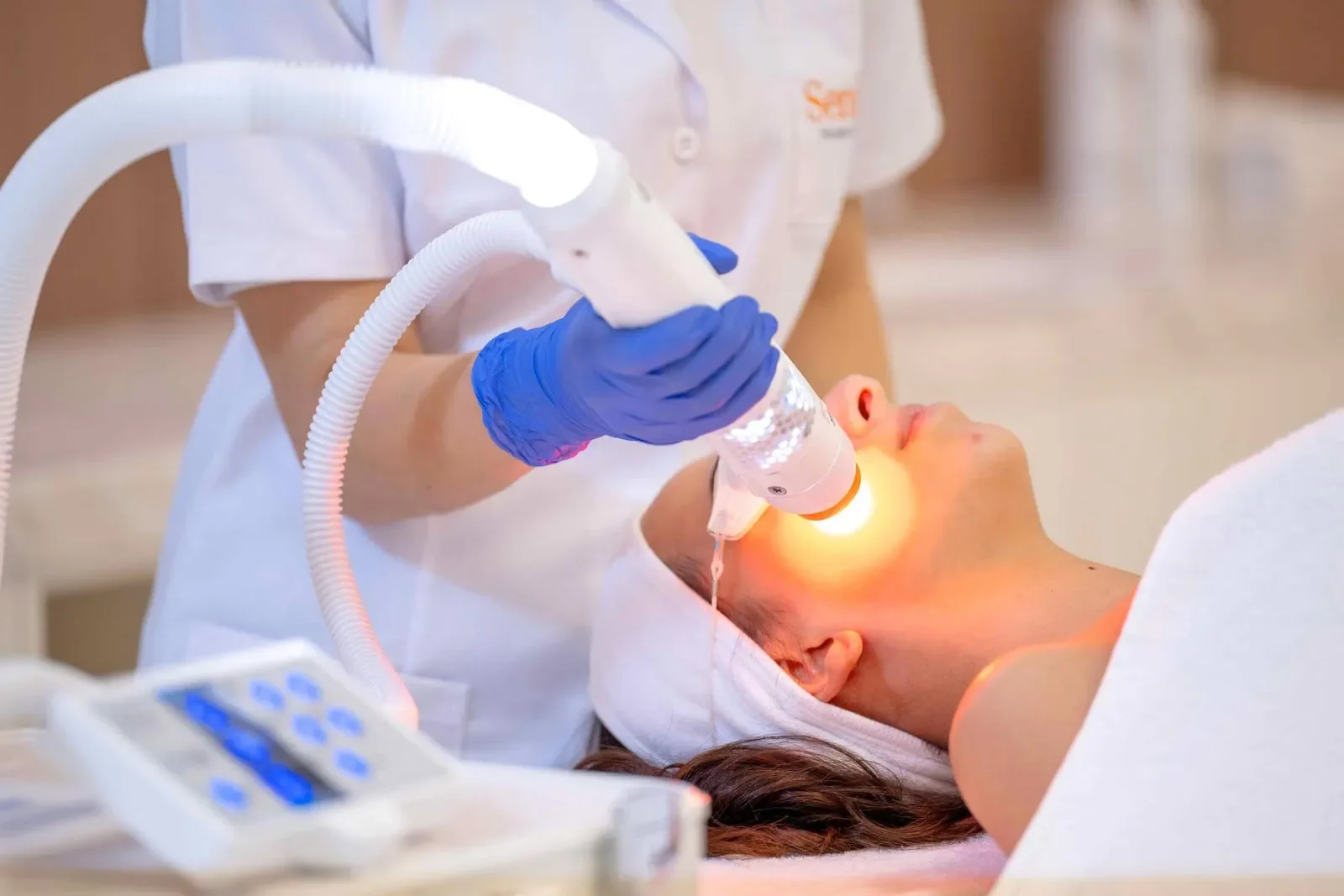
IPL uses filtered pulses of light for selected benign pigmentation and redness concerns; it does not suit every pigment pattern.
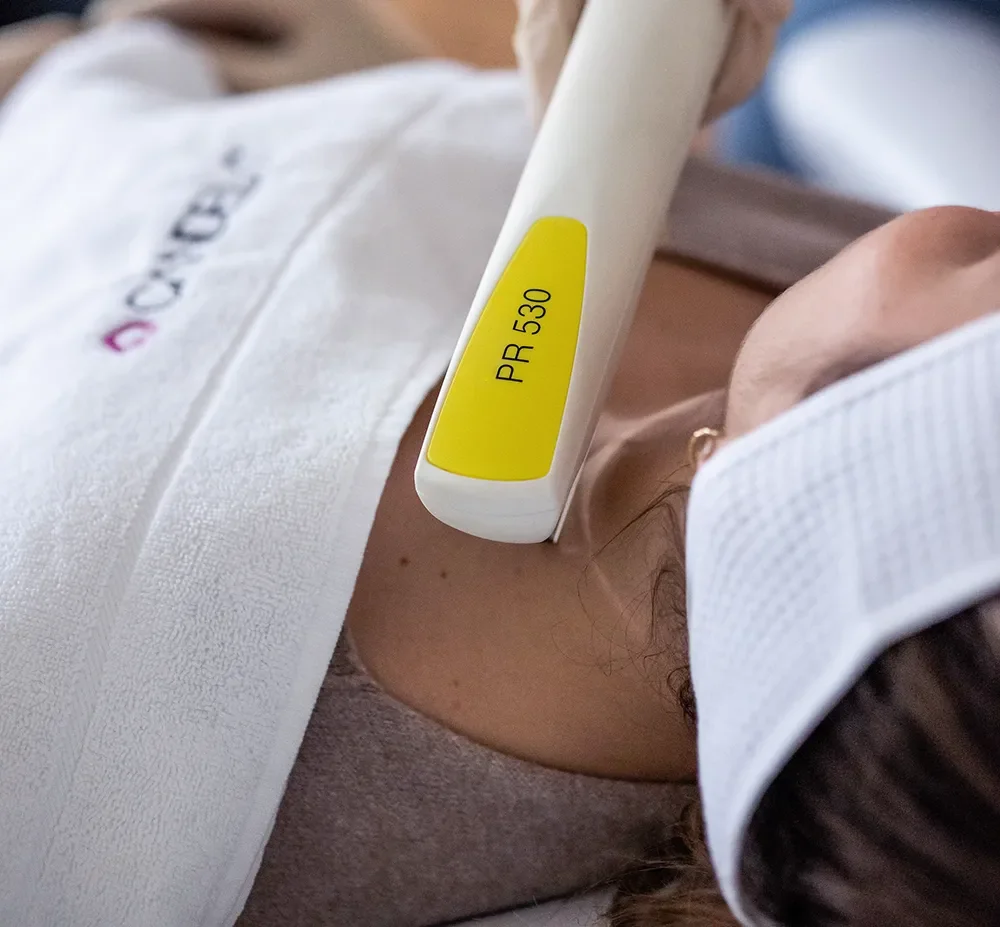
Peel selection considers the surface concern, formulation and depth rather than using one acid for all discolouration.
Discuss whether the named peel is suitable for the type of uneven tone assessed at your consultation.
Ask which laser program is proposed, what finding it targets and how response and pigment risk will be reviewed.
Understand your options
Diffuse flushing and a single visible vessel are different treatment targets. Rosacea is a medical condition that may need broader care alongside cosmetic treatment. For leg vessels, symptoms and circulation history matter as well as appearance. New swelling, pain or unexplained skin changes should be assessed medically.
A photofacial may be considered for selected diffuse redness and superficial vessel concerns after assessment.
A focused laser-vein consultation assesses whether a targeted Nd:YAG approach fits the vessel and area.
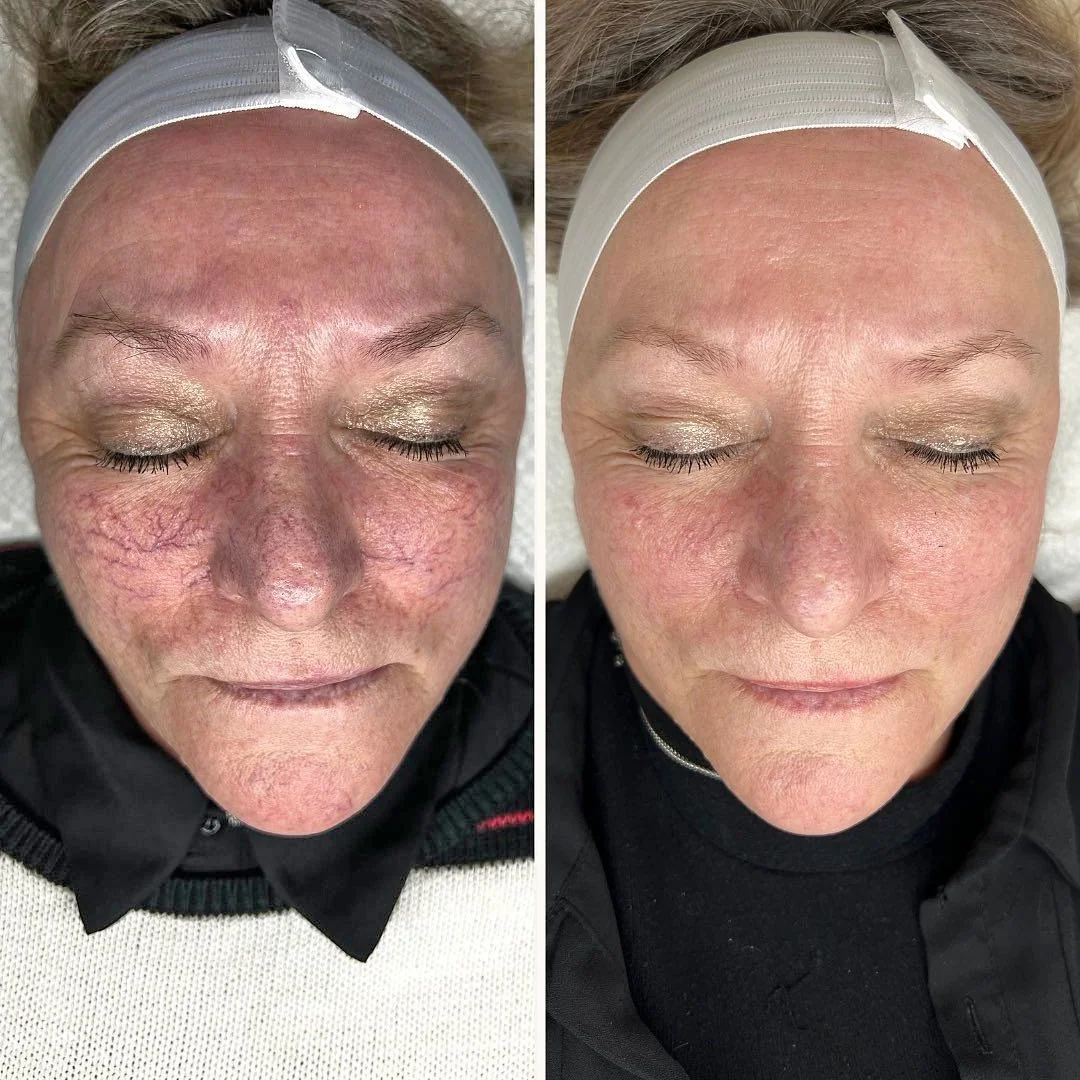
The consultation should explain the selected indication rather than assuming all redness responds to the same laser program.
Your next step
Discuss skin tone, texture and redness concerns with PurBliss before choosing an appointment.
Understand your options
A line visible during expression differs from a crease that remains at rest. Surface texture, movement and volume can each contribute to the appearance. Comparing these features helps you ask useful questions about an injectable consultation, resurfacing or a skin-care approach without choosing treatment solely by age.
A qualified injector assesses movement and discusses a proposed prescription product, dose, risks and follow-up.
Procedure, pricing & aftercareSkin remodelling may be relevant for selected fine surface lines; it does not work by changing muscle activity.
Procedure, pricing & aftercareFractional laser resurfacing addresses selected surface and textural concerns rather than prescribing an injectable effect.
Discuss whether RF microneedling fits the skin finding, treatment area and recovery you can accommodate.
Understand your options
A request for a fresher facial shape may involve lost volume, a fold, lip proportions or lip movement. Those goals are not interchangeable. An injector’s assessment should explain the anatomy, the proposed product and the limits of the change, including choosing a more conservative plan or no injection.
Filler assessment considers a particular area and product; quantity follows the plan rather than a standard face template.
Procedure, pricing & aftercareDiscuss lip volume, border definition or asymmetry and why the proposed amount is appropriate.
Procedure, pricing & aftercareA lip-flip consultation considers how movement affects the visible lip; it adds no filler volume.
Procedure, pricing & aftercareThis poly-L-lactic-acid injectable has a different approach and timeline from a conventional immediate-volume filler.
Procedure, pricing & aftercareClarify the intended area and the reason for a blood-derived preparation, including uncertainty about the visible change.
Procedure, pricing & aftercareUnderstand your options
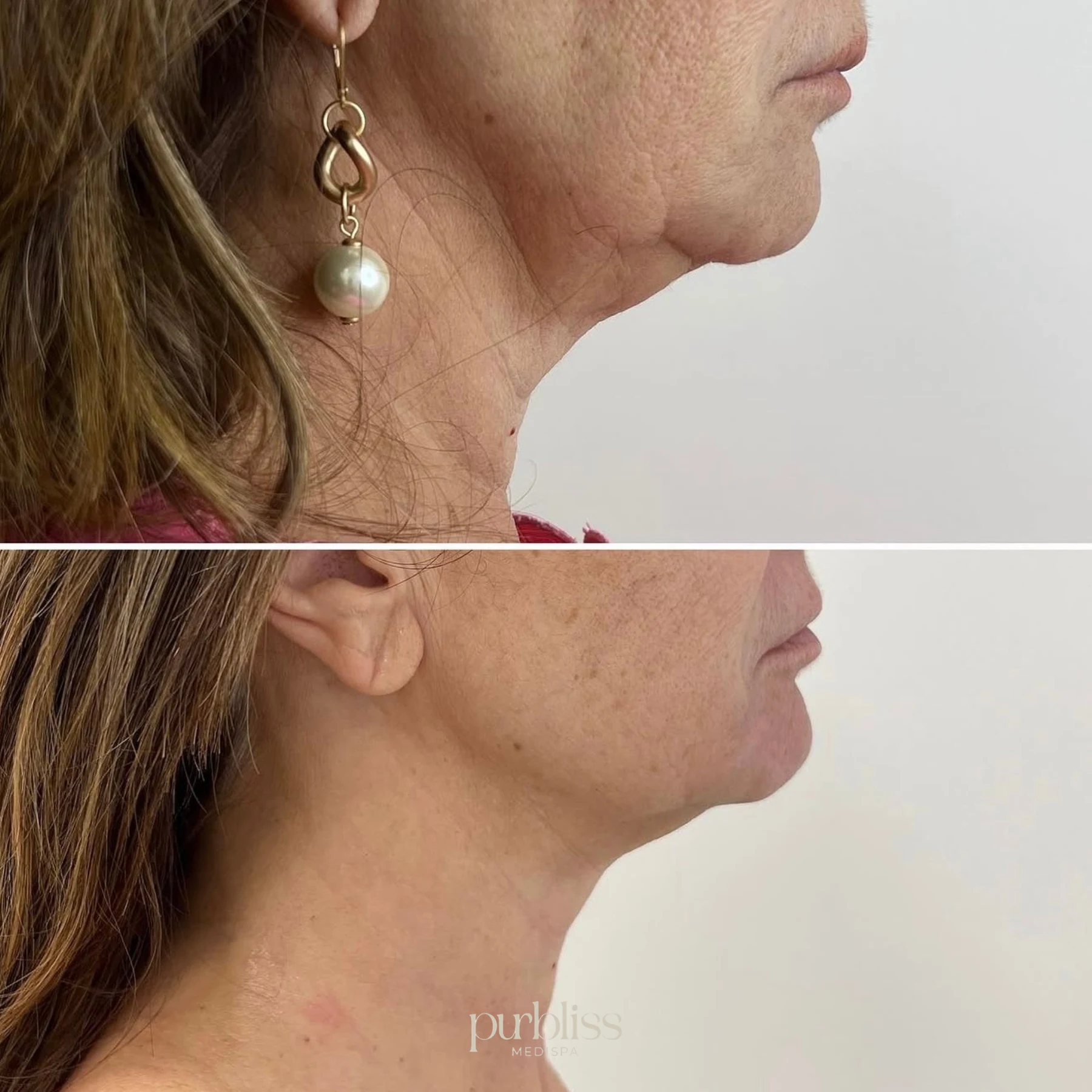
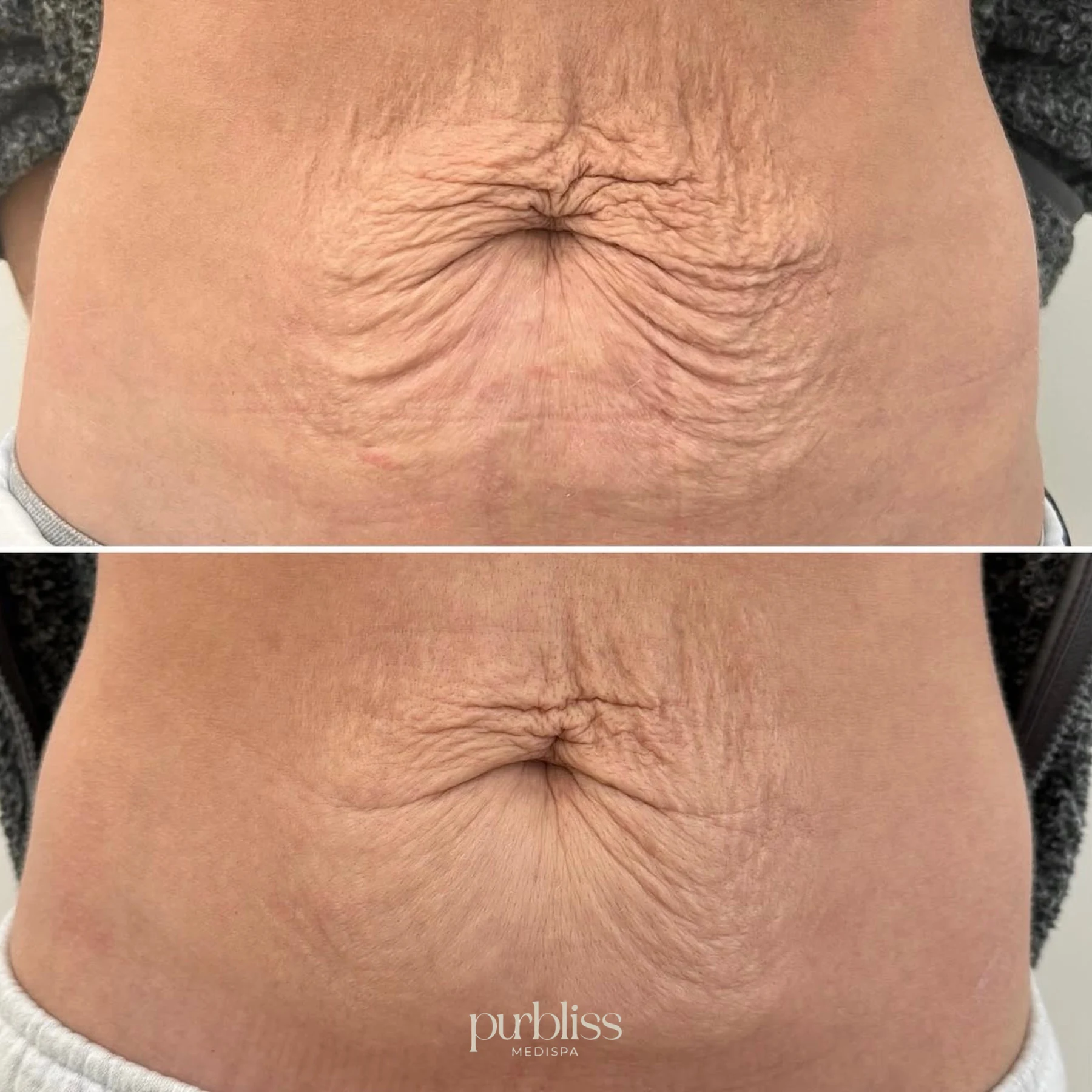
Looser-looking skin at the neck, jawline or body can have more than one contributor. Texture, underlying volume and skin redundancy deserve separate discussion. Energy-based treatment has limits; an assessment should say which finding it can reasonably address and when other options or a medical referral would make more sense.
Surface radiofrequency is delivered with a handpiece; discuss modest, individual skin-remodelling goals rather than assuming a surgical lifting effect.
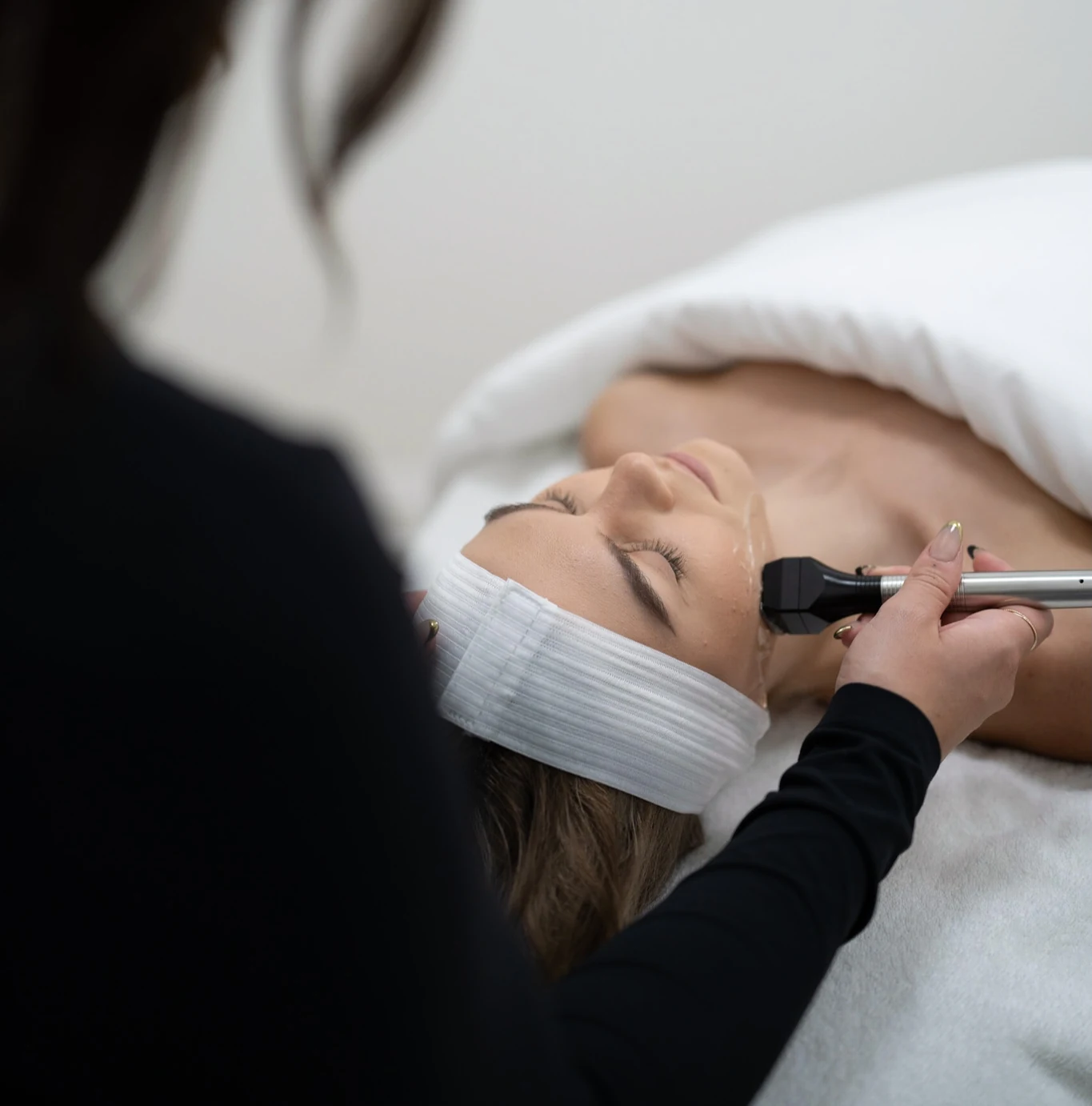
Needle-delivered radiofrequency is a distinct procedure requiring area-specific planning and consent.
Understand your options
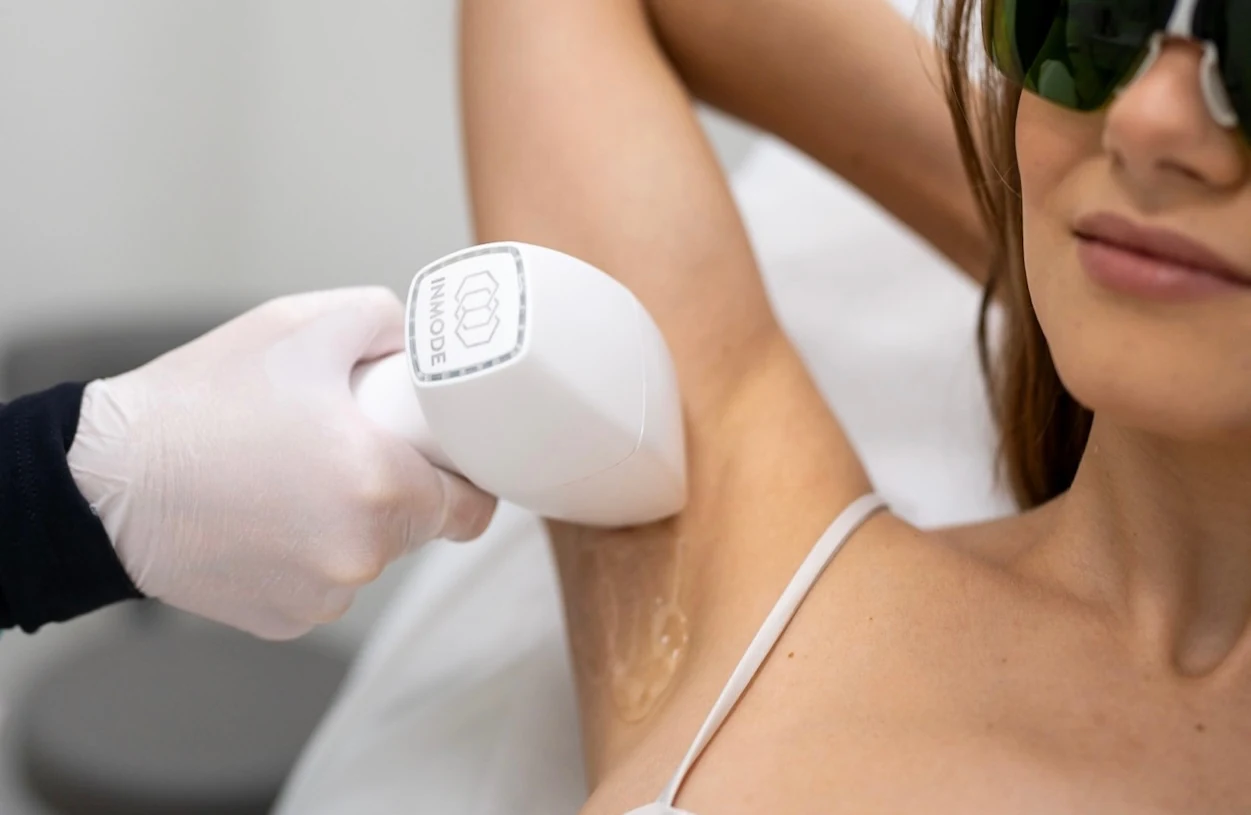
Longer-term hair reduction starts with the interaction between hair colour, skin tone and the proposed laser. The size of the area, recent tanning and the pattern of growth affect the plan. Sudden or unexpected changes in hair growth can deserve medical assessment before a cosmetic course.
The laser targets pigment associated with hair follicles, and visits are usually staged because not all hairs are in the same growth phase.
Your next step
Ask about suitability, expected recovery and the complete treatment fee for the options you are considering.
Understand your options
Scalp hair can thin because of pattern loss, health changes or other causes. Identifying the pattern and any scalp symptoms matters before comparing a laser with a blood-derived procedure. Sudden, patchy or symptomatic loss deserves medical evaluation rather than assuming a cosmetic program is the only next step.
A provider-delivered fractional laser is considered for suitable scalp-hair concerns; it differs from a home light cap.
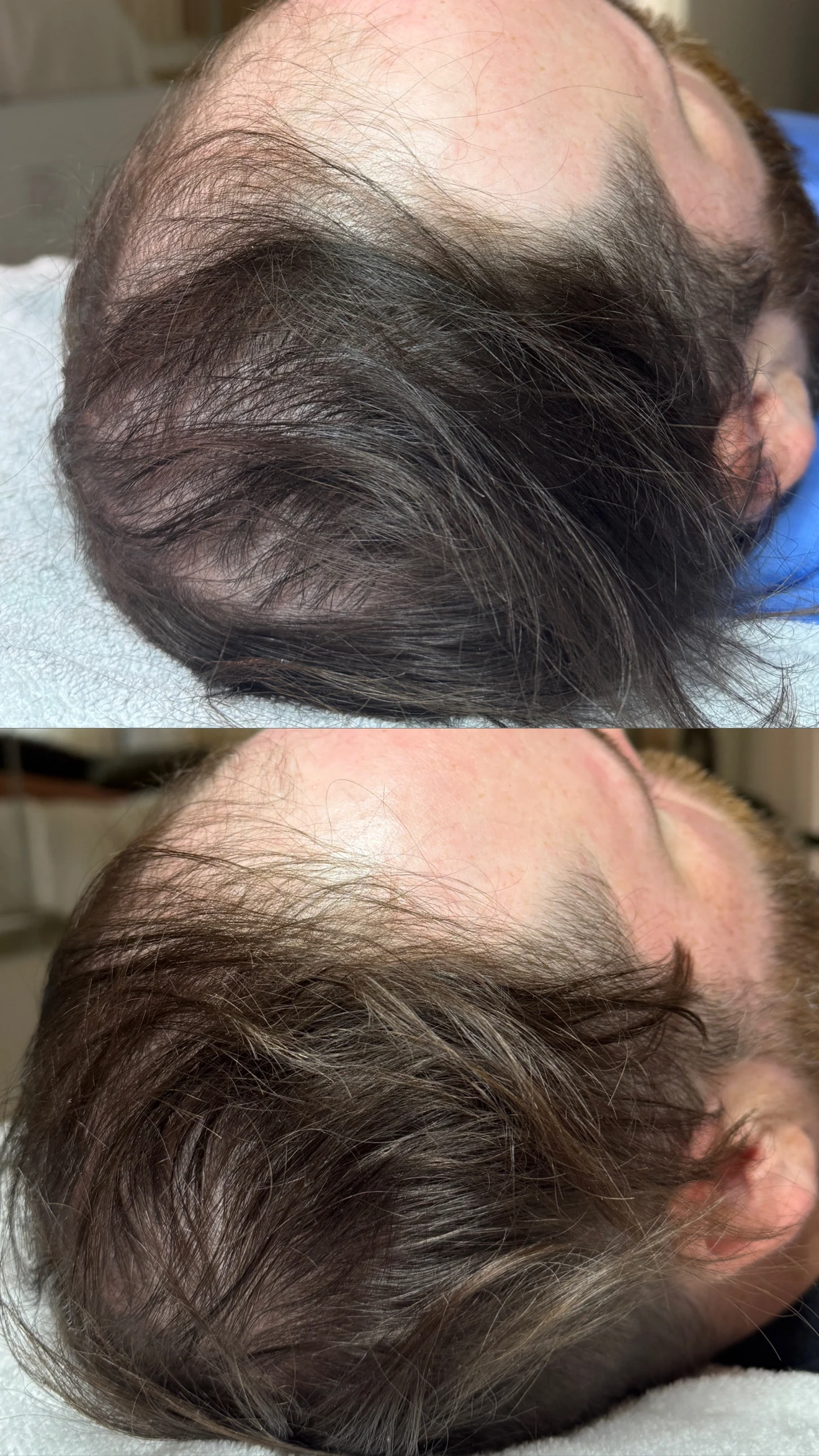
PRP involves collecting and preparing your own blood before treatment of selected scalp areas; suitability and ongoing care require assessment.
Procedure, pricing & aftercareUnderstand your options
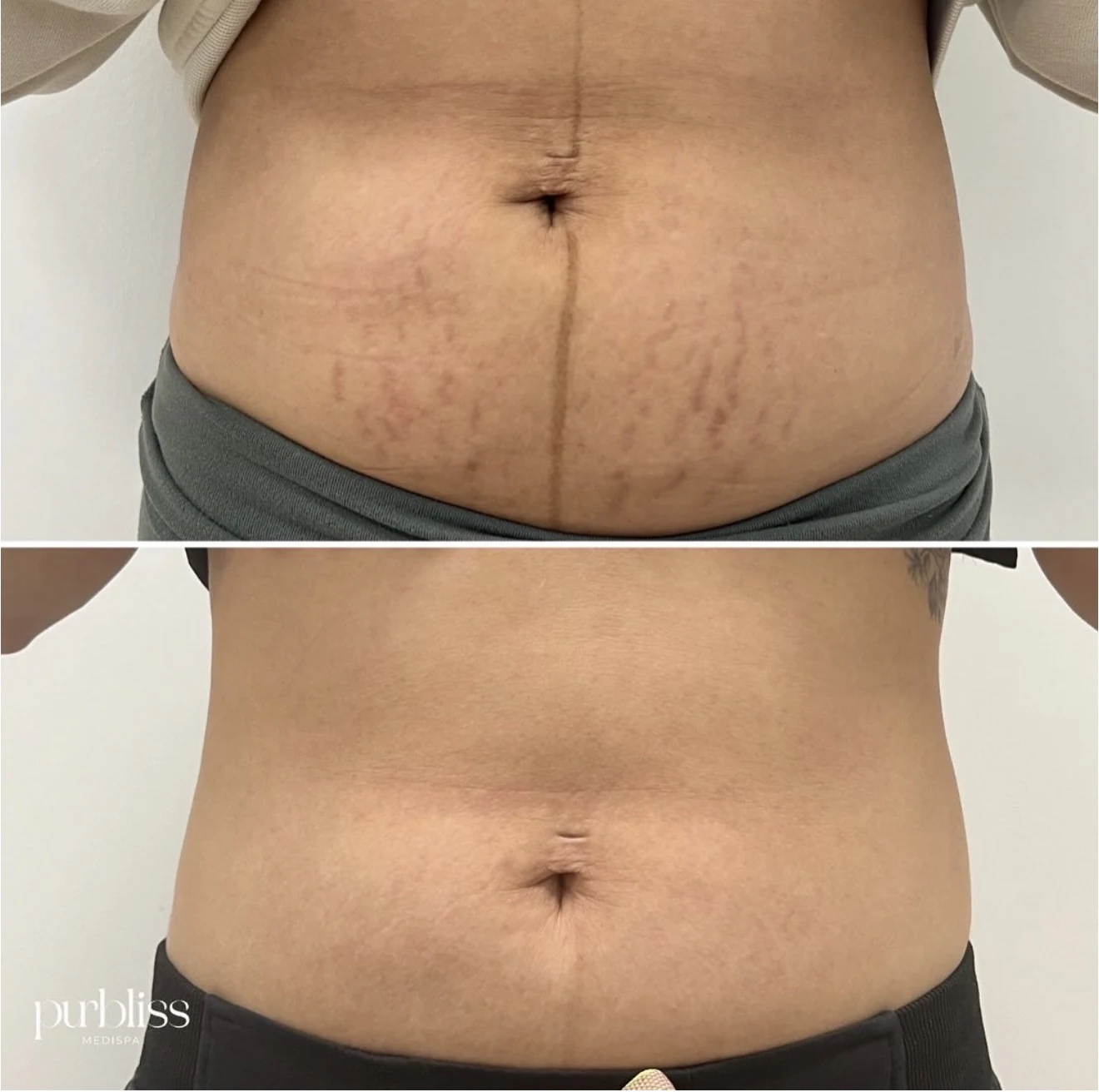
A body-contouring goal may concern a local area, skin appearance or muscle definition. These are separate aims, and a device course is not treatment for obesity or a substitute for weight management. Ask what the proposed applicator does and how the change will be measured in the selected area.
The selected EvolveX applicator may use RF, electrical muscle stimulation or both; confirm which format your booking includes.
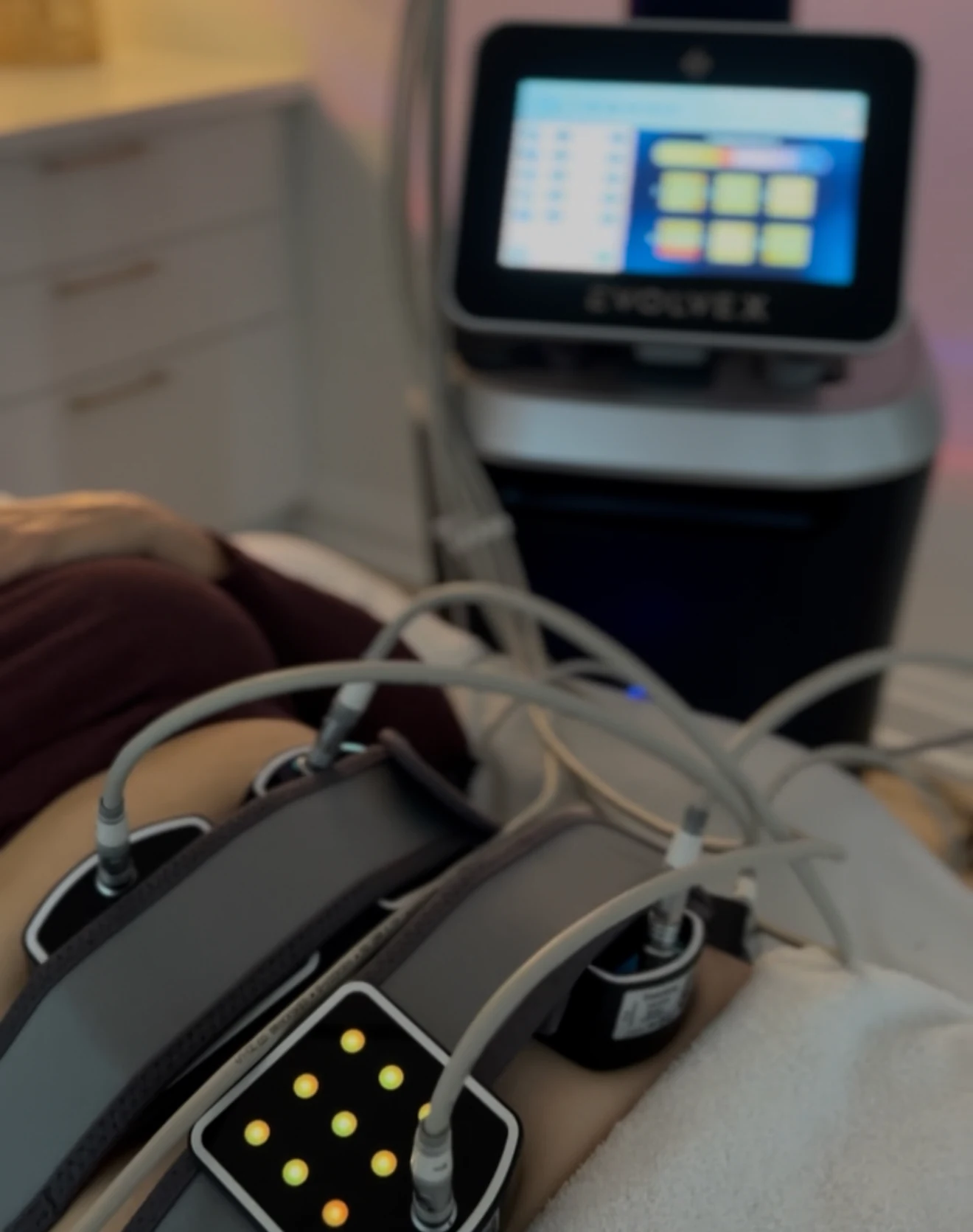
BodyFX combines energy and suction in a different format; ask why it matches the feature being assessed.
Procedure, pricing & aftercareFor selected body-skin concerns, RF microneedling has different preparation and recovery from a hands-free contouring appointment.
Understand your options
The appearance beneath the chin can reflect fat, skin laxity, anatomy or a combination. The cause affects the options: a fat-targeting injectable and a skin-focused device pursue different changes. An assessment should establish what is contributing before a treatment course or quoted amount is accepted.
A double-chin injection consultation determines the proposed product, suitable tissue and the expected course; confirm the product before consenting.
Procedure, pricing & aftercareFor a suitable skin-laxity concern, a surface RF plan may be discussed separately from fat treatment.
RF microneedling may be considered for selected skin concerns; it should not be described as interchangeable with a fat-dissolving injection.
Understand your options
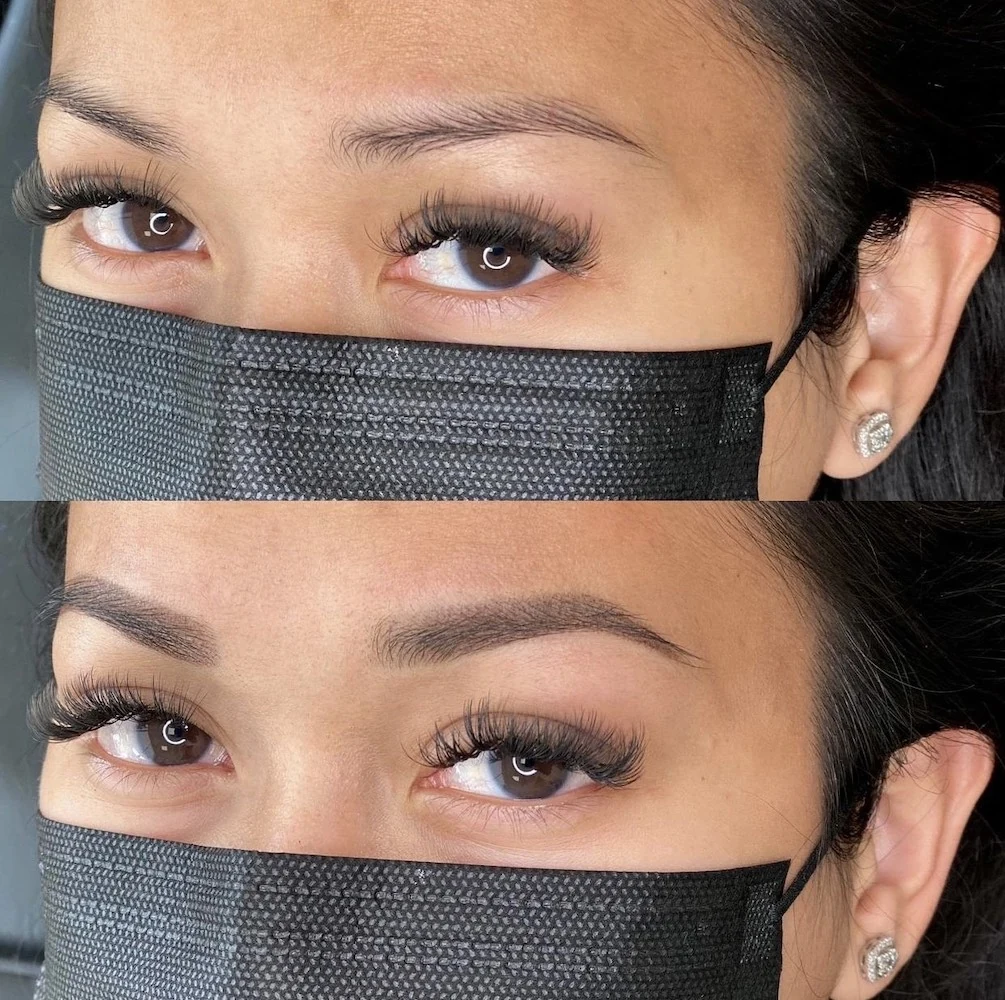
A polished brow or lash look starts with the hair you have, the definition you want and your tolerance for maintenance. Temporary tinting, lifting or shaping and a partner’s brow work are different appointments. Agree on the technique and current provider availability rather than choosing solely from a result photo.
The appointment is chosen around the requested shape or finish; partner-gallery comparisons identify Brow Papi explicitly.
Client perspectives
“takes the time to explain everything”
“super nice and so diligent”
Short excerpts from published client reviews. Experiences vary; comments describe individual visits rather than guaranteed treatment results.
A little more clarity
Start with the change you notice, its location and how long it has been present. Use the concern sections here to compare purposes, then book the appropriate consultation. The provider should explain which finding supports the recommendation and whether medical assessment is needed first.
No. The links are starting points for a discussion, not a treatment prescription. Skin tone, anatomy, diagnosis, medicines, previous procedures and healing can change the options. Two people describing the same concern may need different plans.
Active inflammation and an established scar are different findings. Painful or deep breakouts may need medical acne care before a scar-focused procedure. Improving skin texture does not by itself control the cause of continuing acne.
Read the stated procedure, session count and source before comparing the images. A published example shows one person’s experience. Combined procedures cannot establish what one component achieved, and results are affected by the individual, the interval and photographic conditions.
An accurate treatment explanation is still useful when a verified, relevant comparison is unavailable. This site uses published clinic and clearly credited partner comparisons rather than using another clinic’s result as if it came from PurBliss. Ask the clinic what further examples it can show during a consultation.
They may involve different targets and different procedures. Ask the provider to identify each priority, explain the order and allow appropriate recovery between steps. A combined plan should say what each component contributes and how the complete cost will be confirmed.
A new, changing, bleeding or unexplained lesion needs appropriate medical assessment. Sudden hair loss, an unexplained rash or symptomatic veins may also require medical evaluation. A cosmetic appointment should not delay assessment of a possible underlying condition.
Sources & further reading
PurBliss: facial skin treatmentsPurBliss: Morpheus8 and original resultsPurBliss: live appointment menuPurBliss: hair restorationPurBliss: DiolazeXL laser hair removalCandela: Nordlys IPL and laser platformAmerican Academy of Dermatology: microneedlingAmerican Academy of Dermatology: chemical peelsAmerican Academy of Dermatology: laser hair removal FAQsAmerican Academy of Dermatology: diagnosing and treating hair lossFDA: microneedling devices and combination-use limitationsFDA: potential risks with certain uses of RF microneedlingHealth Canada: cosmetic injectionsFDA: dermal fillersFDA: non-invasive body contouring technologiesInMode: Forma technologyInMode: EvolveX technologyInMode: BodyFX and MiniFX technologyLumenis: FoLix technology, indication and precautionsAerolase: Neo EliteGalderma Canada: Sculptra instructions for useBrow Papi at PurBliss: partner galleryA little time for you
Describe what you notice and what you would like to understand. A PurBliss consultation helps connect your questions with an individual assessment.